Before we get started, the first thing we need to work out it is your playing style. Padel Gear Reviews has categorised the different styles into 4 main groups…

Power-Hitter
(Aggressive Playstyle)

Control
(Precision Focused)

Defensive
(Counterattacks & Lobs)

All-Rounder
(Balance, Offence & Defence)
Understanding your playing style, will make your decision much easier. Your playing style determines the shape, style, weight and even brand.
1. Racket Shapes
The shape of a padel racket largely affects its sweet spot (the most effective hitting area), balance, and power level:
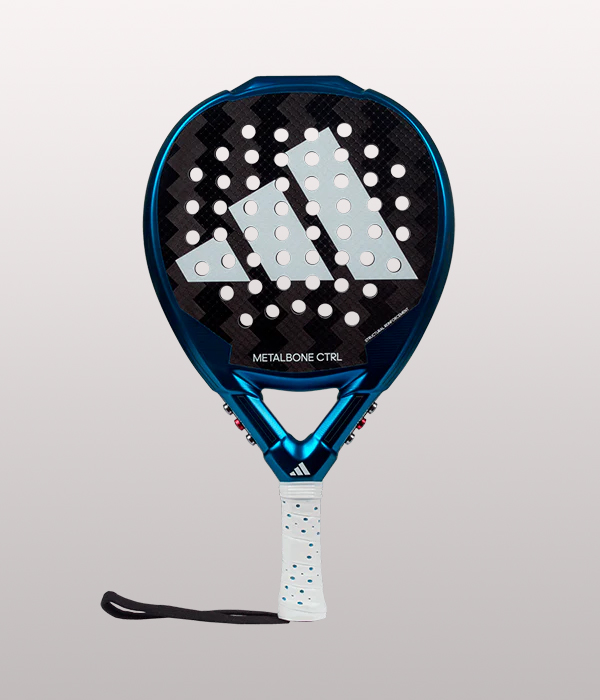
Round:
Tear Drop (Hybrid):


Diamond:
2. Core Types
The core of a padel racket impacts its bounce, comfort, and overall feel:
Soft Core (EVA Soft):
With a more flexible feel, soft-core rackets offer better shock absorption. This can reduce arm strain and make the game more comfortable over extended play. Soft cores also provide a bit more power and rebound, making them a solid choice for beginners or anyone looking to add a bit of “pop” to their hits.
Medium/Hard Core (EVA Hard):
Hard-core rackets have a firmer feel and offer greater control, making them better suited to players with developed technique who want precise response and power. While less forgiving than soft cores, they provide more stability, which is valuable for those who like to add extra force to their shots.
3. Materials and Face Types
The material used in the racket’s face influences durability, flexibility, and control:
- Fiberglass:
- This material is slightly softer and more flexible than carbon fiber, making it easier to generate power with less effort. Because fiberglass rackets are typically more affordable, they’re commonly recommended for beginner and intermediate players.
- Carbon Fiber:
- Carbon fiber is durable and provides a more rigid feel, which means players get greater control over their shots. While carbon fiber rackets are often more expensive, their performance and longevity make them a top pick for advanced players who prioritize precision.
4. Weight
A racket’s weight can impact both comfort and playability:
- Lightweight (340-370g):
- Light rackets are easier to maneuver, making them ideal for younger players, beginners, or anyone prone to arm fatigue. They’re also useful for players who prefer a quick reaction time and agile gameplay.
- Heavyweight (370-390g):
- Heavier rackets offer more stability and power, suiting advanced players who can control the extra weight and want to maximize their shot strength. They may require more strength but are excellent for players who like to add force to their smashes.
Conclusion
Each of these aspects—from shape to core type—can enhance different parts of your game, so it’s helpful to try out a few types before committing. As you progress, you might even find that your preferred racket type changes with your style and skill level. Whether you’re looking for control, power, or a comfortable balance, understanding these options will help you find the perfect match for your playstyle.